Samples
Study 1: n = 257
Study 2: n = 147
This study tests whether re-ordering menu information can reduce buffet plate-waste risk without forcing choice removal. Two Vietnamese online experiments compare healthier-options-first (HOF) versus unhealthier-options-first (UOF) menu sequencing across buffet formats and tiered-price contexts.
Problem Framing
Buffet formats are structurally vulnerable to overserving because fixed pricing reduces marginal cost at the point of diner choice.
The global context is severe: UNEP (2024) reports about 1.05 billion tonnes of food waste per year (about 132 kg per person), linked to roughly 8-10% of greenhouse-gas emissions while hunger still affects hundreds of millions of people.
Most restaurant food-waste interventions emphasize back-of-house controls, but plate waste is a customer-side behavior problem. Food-service contributes a meaningful share of consumer-level waste, and buffet formats are especially exposed because fixed pricing, visual abundance, and value-seeking behavior can push guests toward higher-calorie and higher-volume selection.
This research addresses a practical managerial gap: can a low-cost, non-restrictive menu-order intervention reduce plate-waste risk while preserving perceived value and premium-tier demand?
Research Design
Both studies used online simulated buffet menus to estimate planned consumption and value perceptions before real-world rollout.
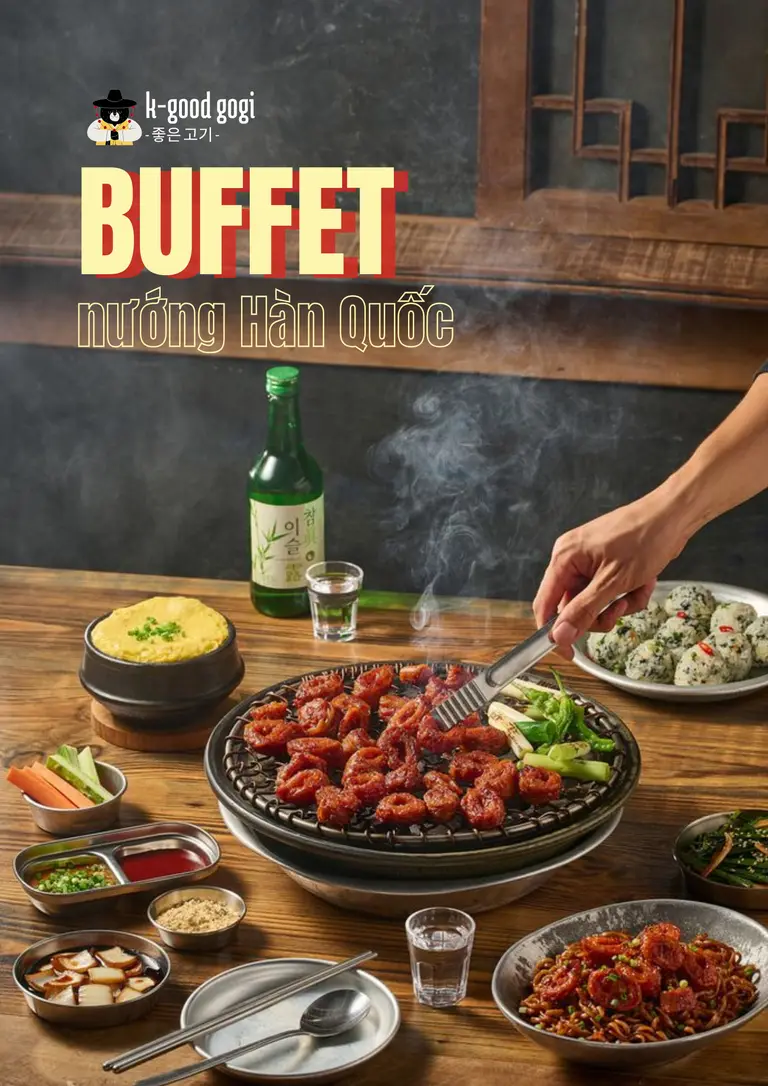
2×3 between-subjects design: HOF vs UOF across hotpot, Korean tokpokki, and vegetarian buffet contexts (n = 257).
Hotpot-only tiered pricing experiment (219k, 279k, 329k VND) with random HOF/UOF assignment (n = 147).
Intended calorie intake, perceived value, and tier-choice intention; intended calories were computed from menu selections.
Intended intake is intention-based simulation output and treated as a behavioral proxy for likely plate-waste pressure.
Theory Testing
The model links menu-order nudging, perceived value, and commercial tier-selection behavior.
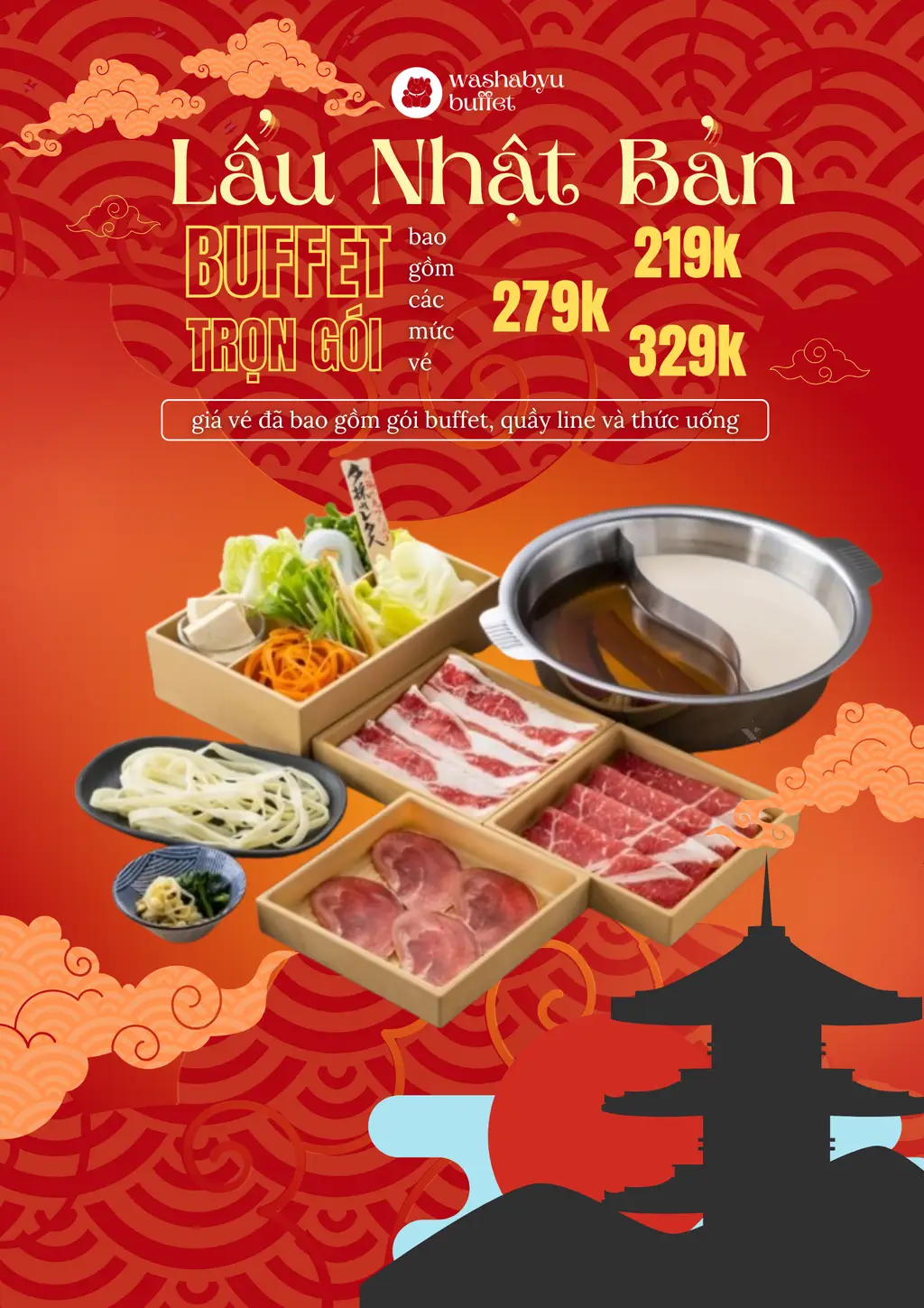
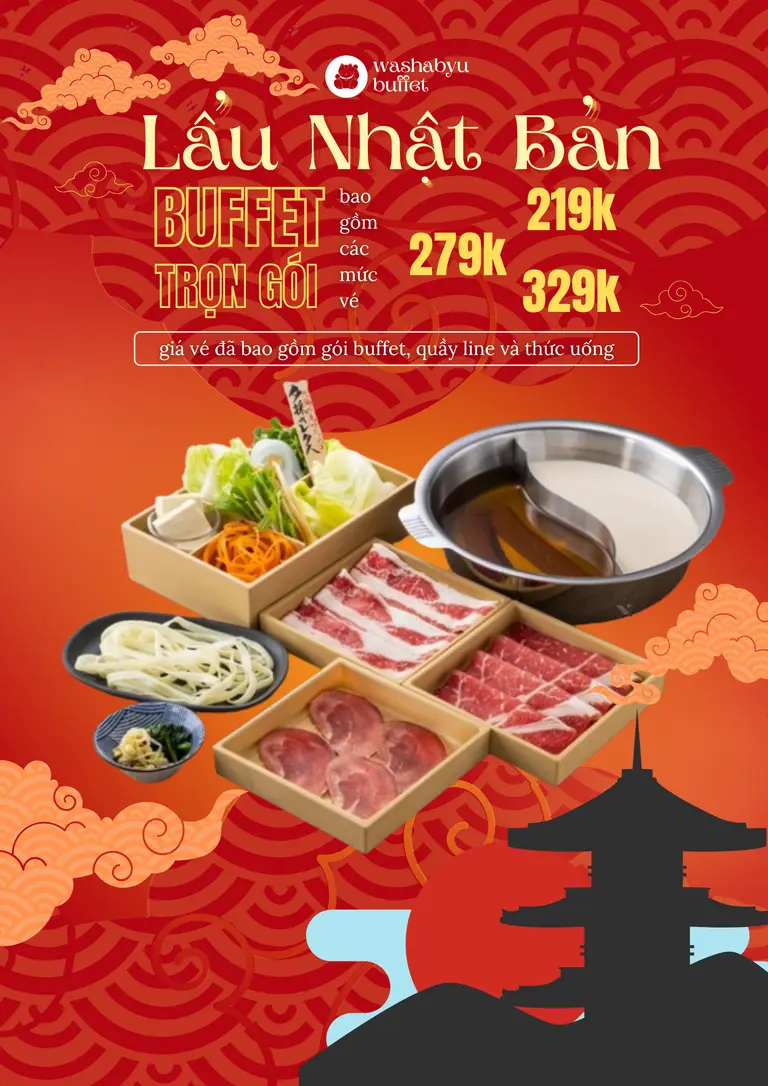
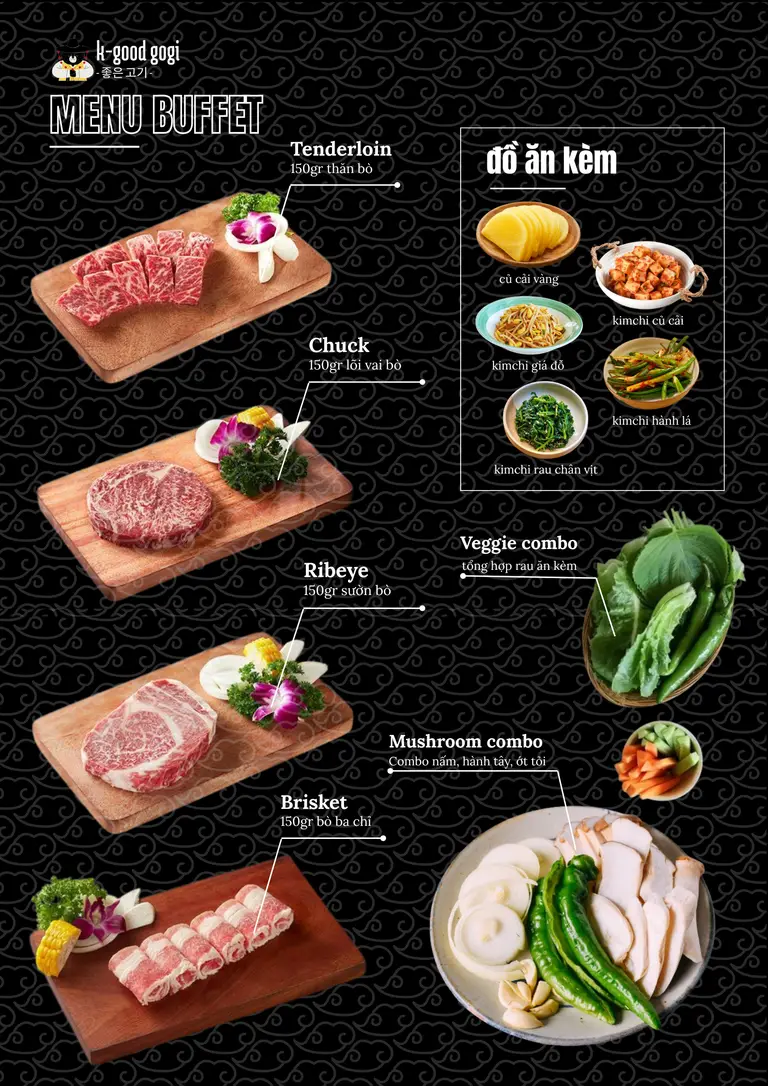
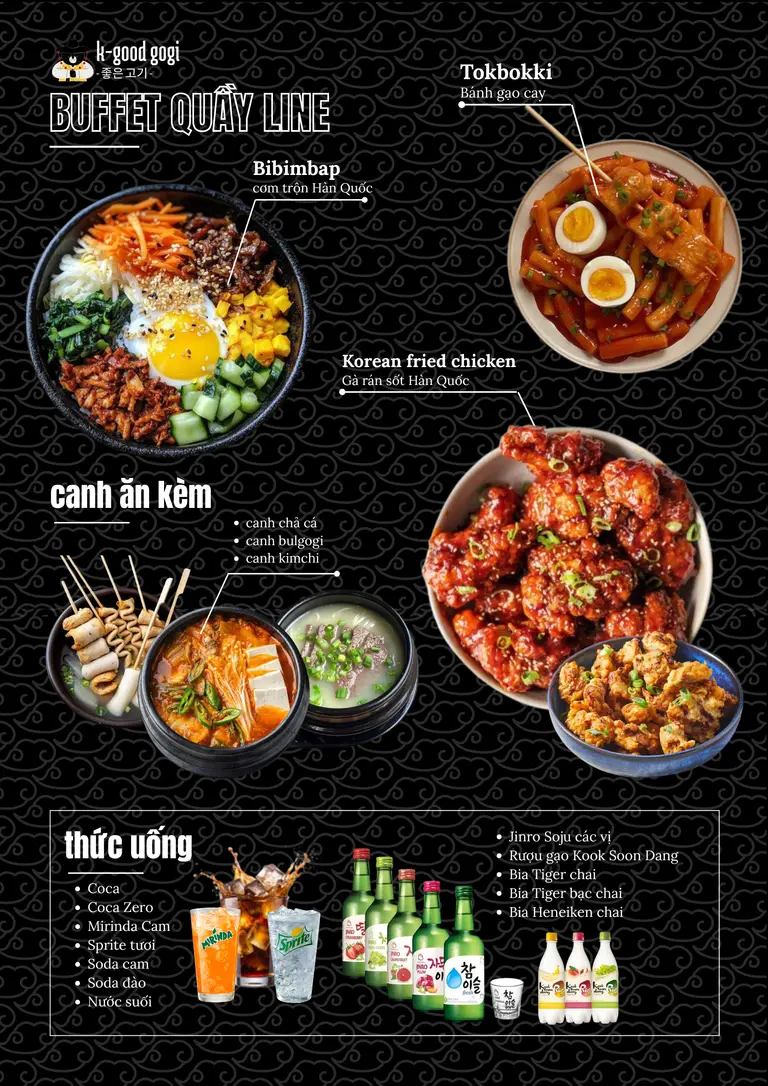
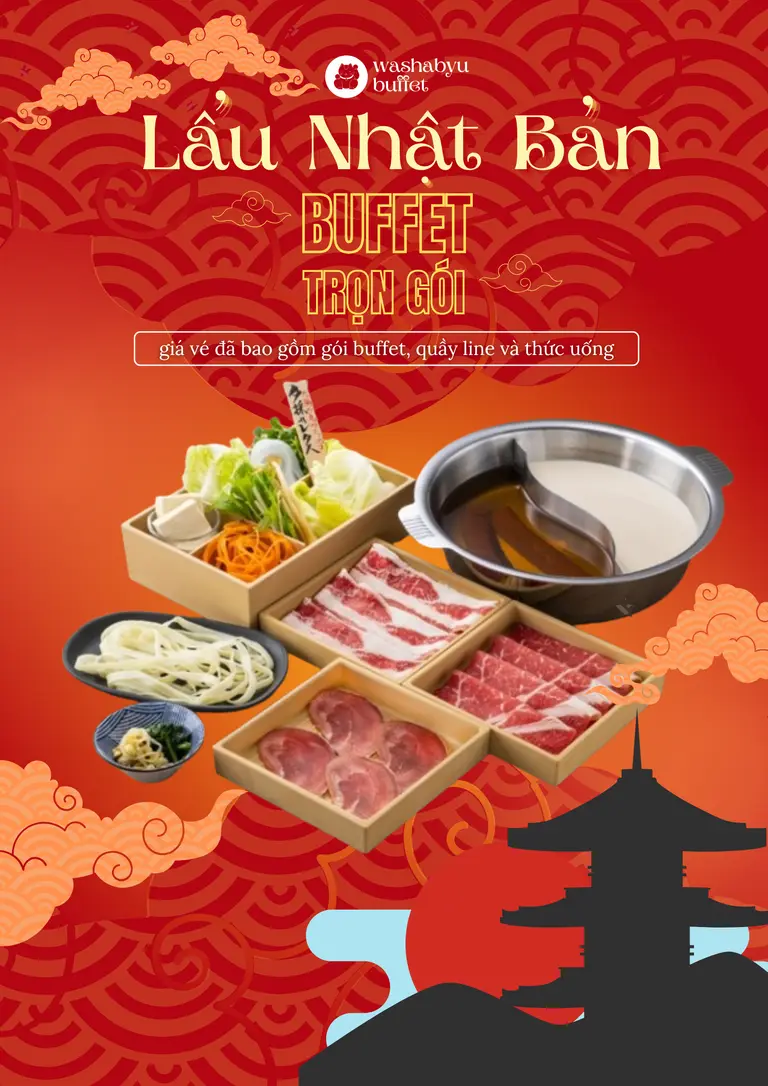
These screens are experimental menu stimuli. Labels identify each screen's function in the sequence and condition.
Condition-neutral opening screen for context and price-tier priming.
Protein-first ordering with queue-line completion cues.
Six boards used to guide hotpot flow from base context through tier-specific cues.
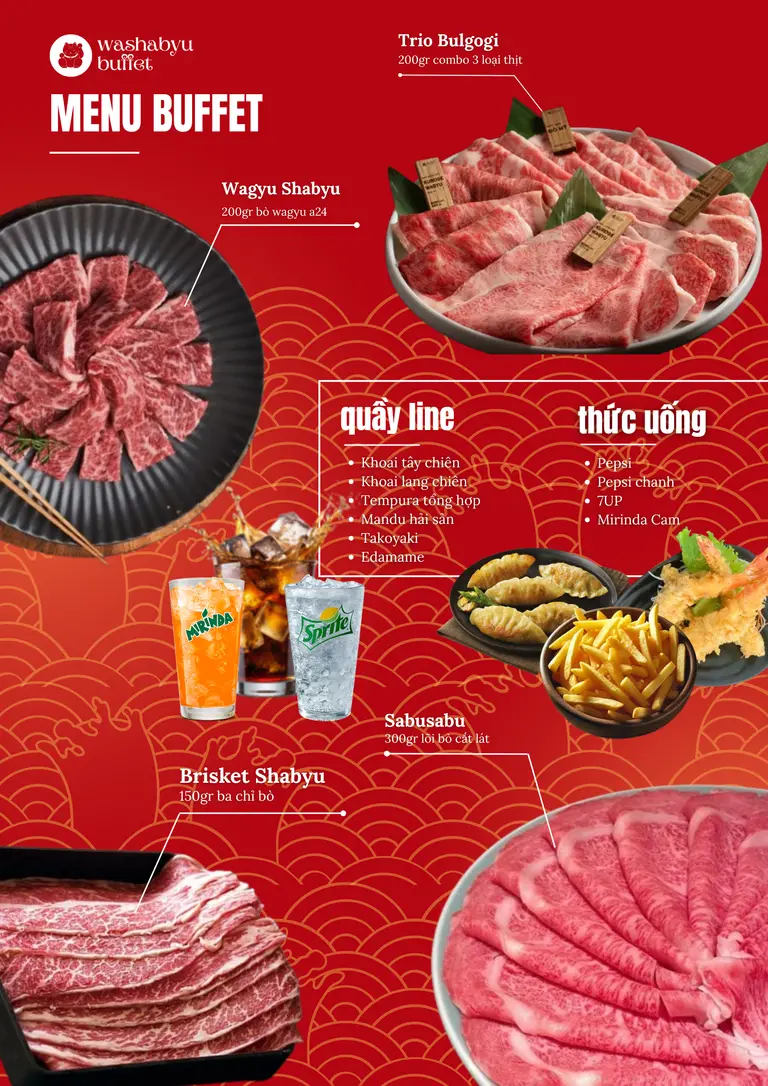
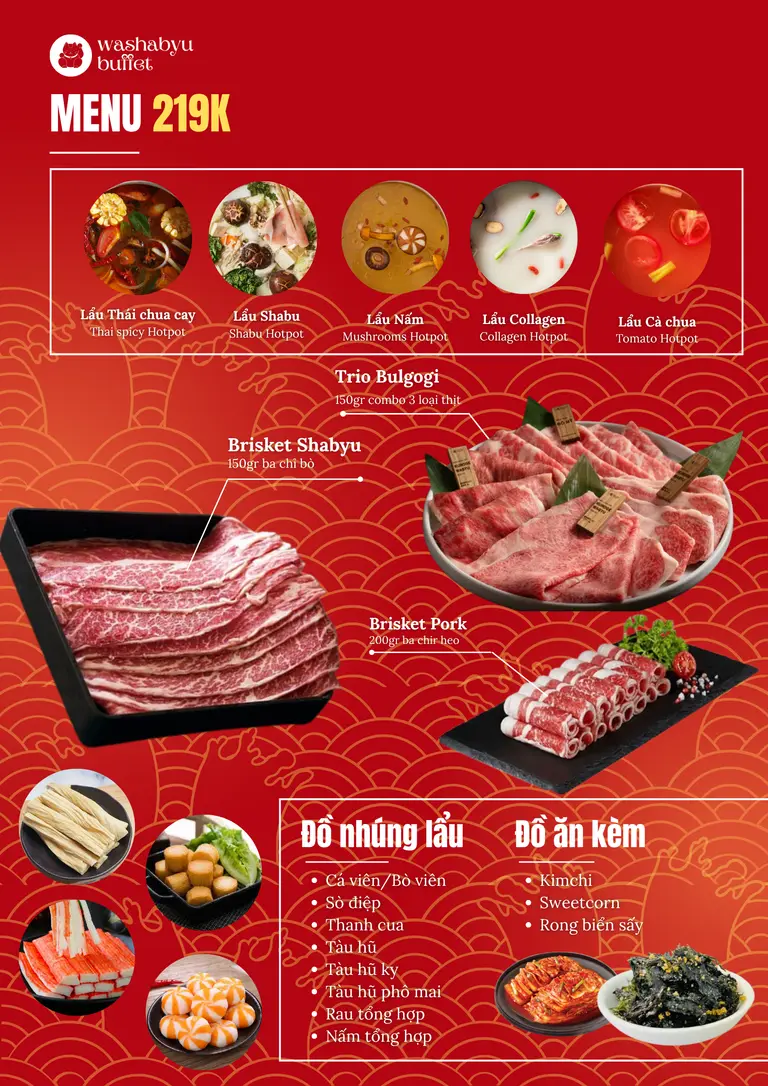
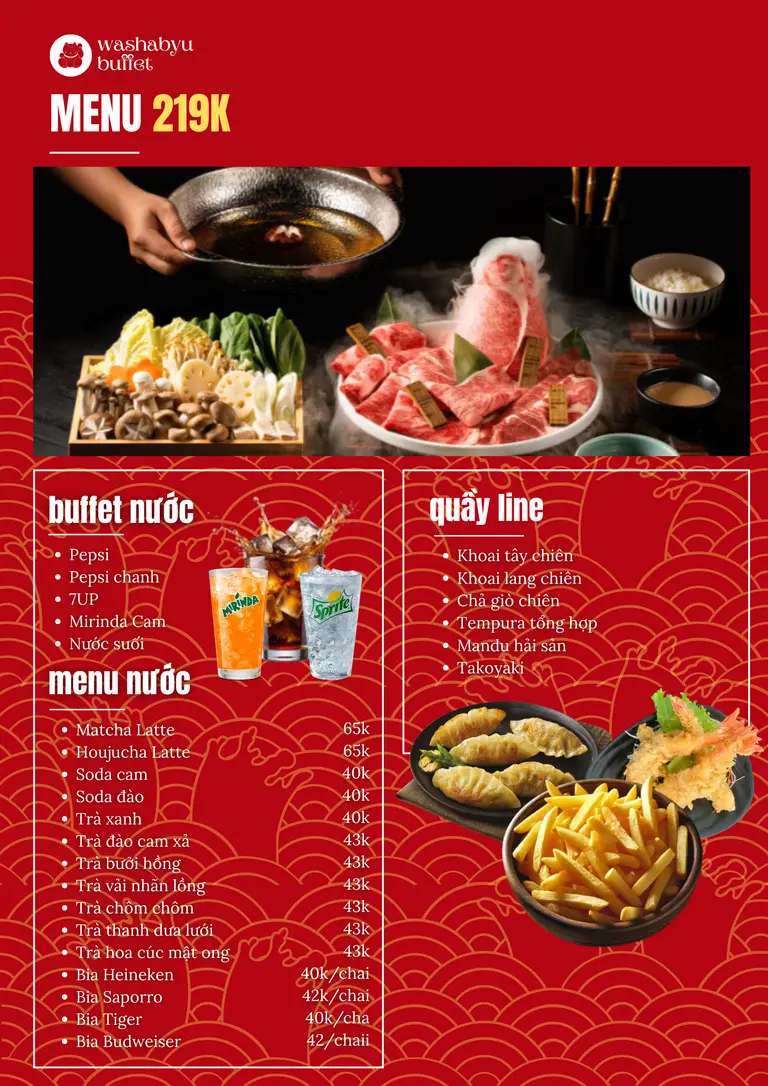
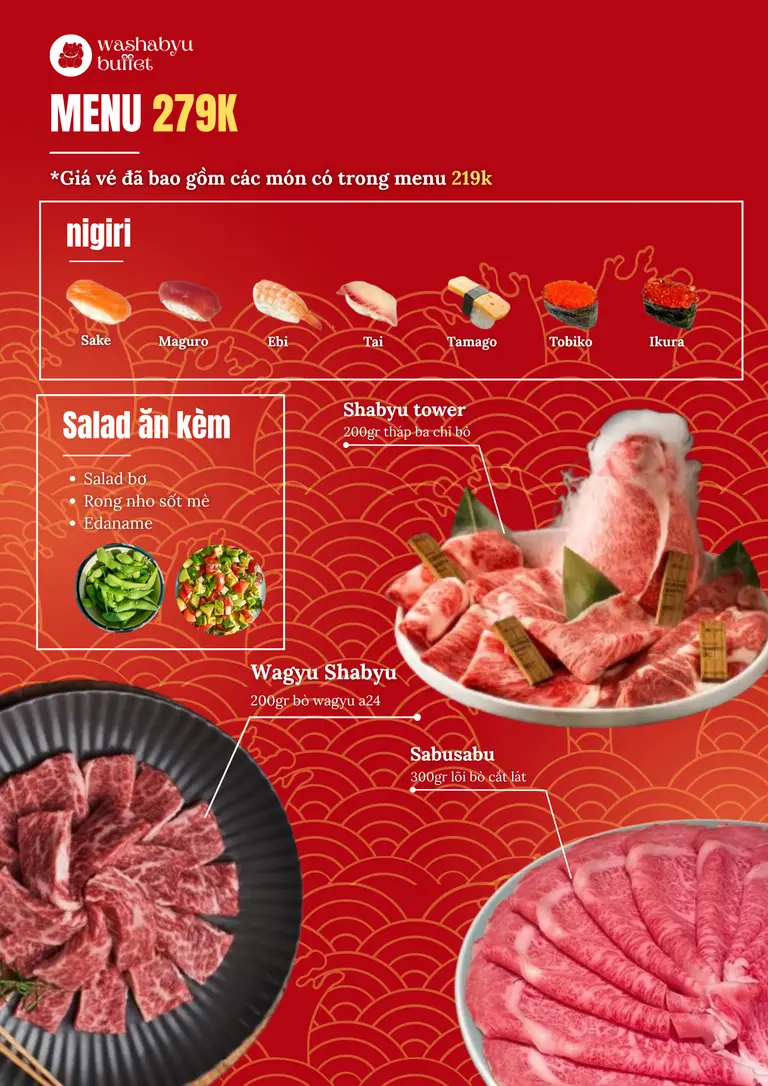
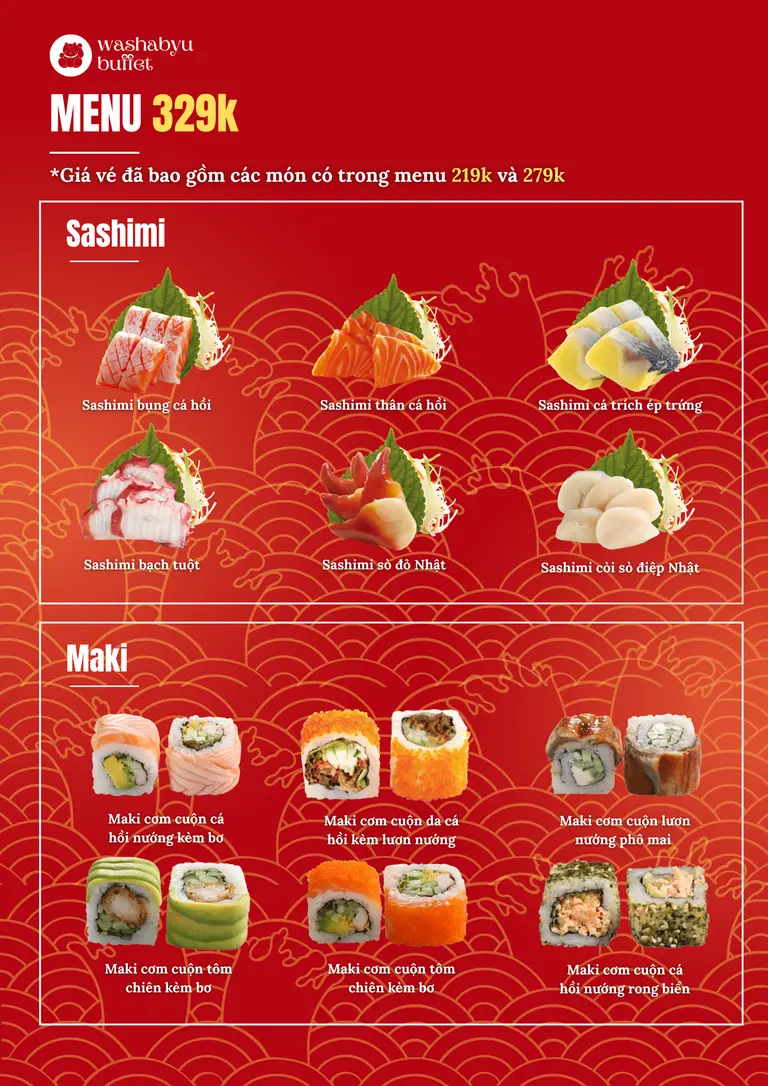
Healthy-first ordering variants used to prime lighter early selections.
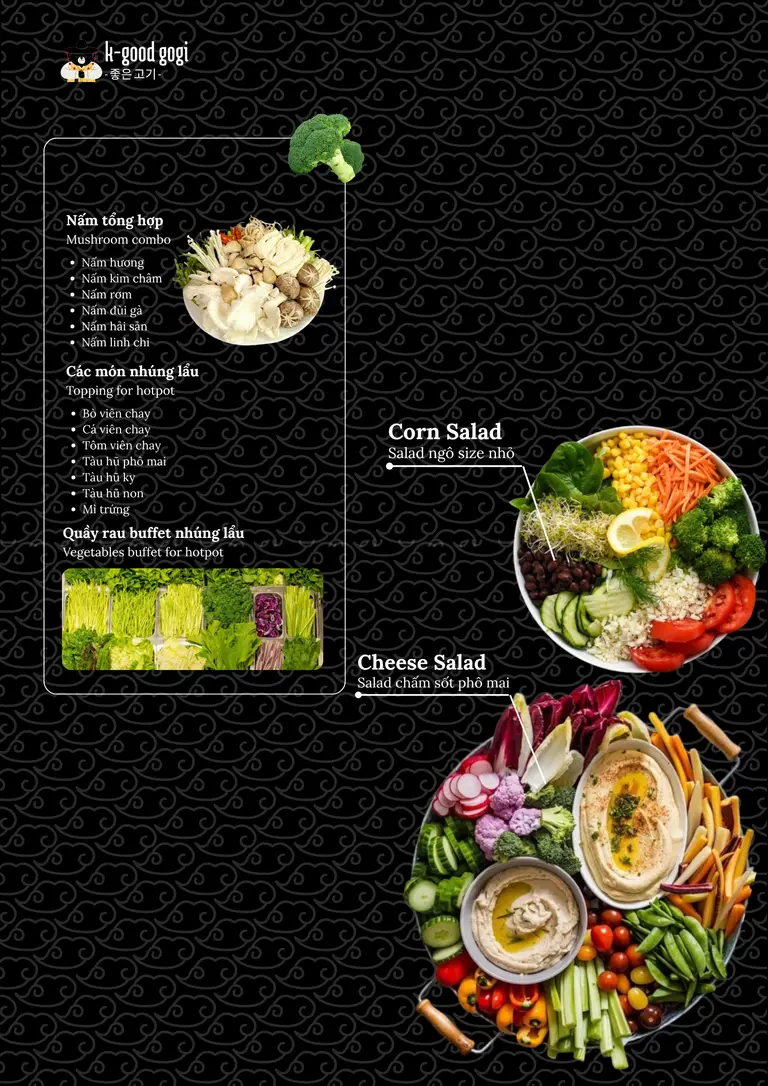
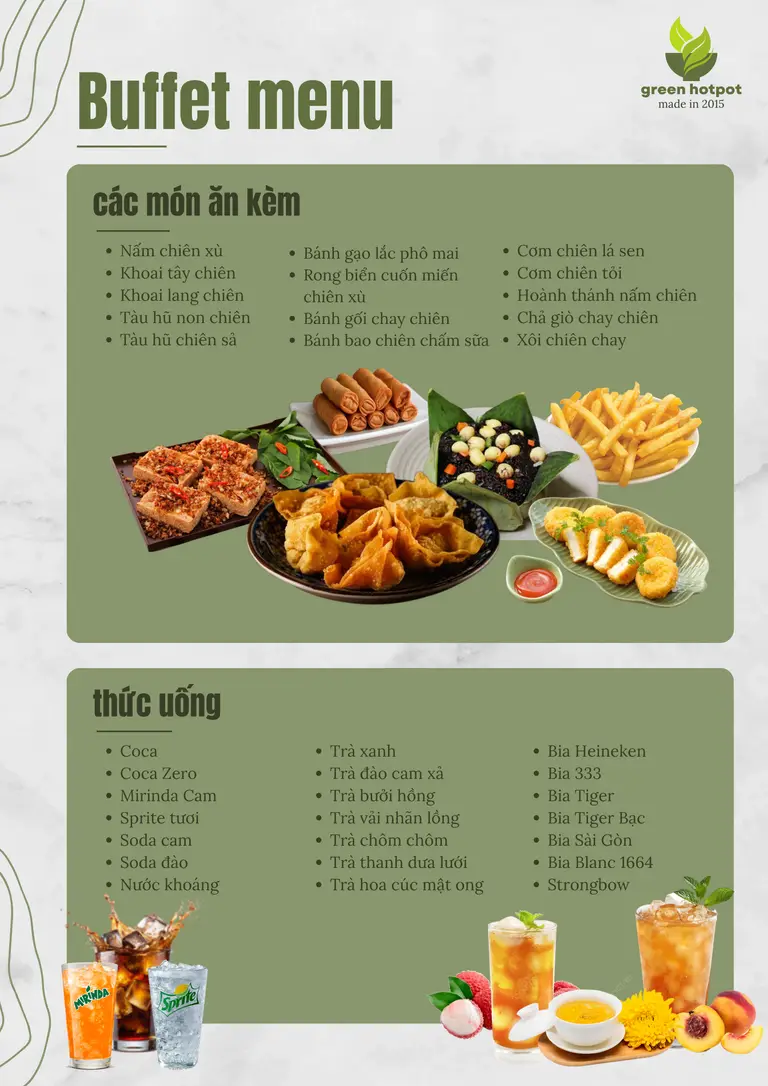
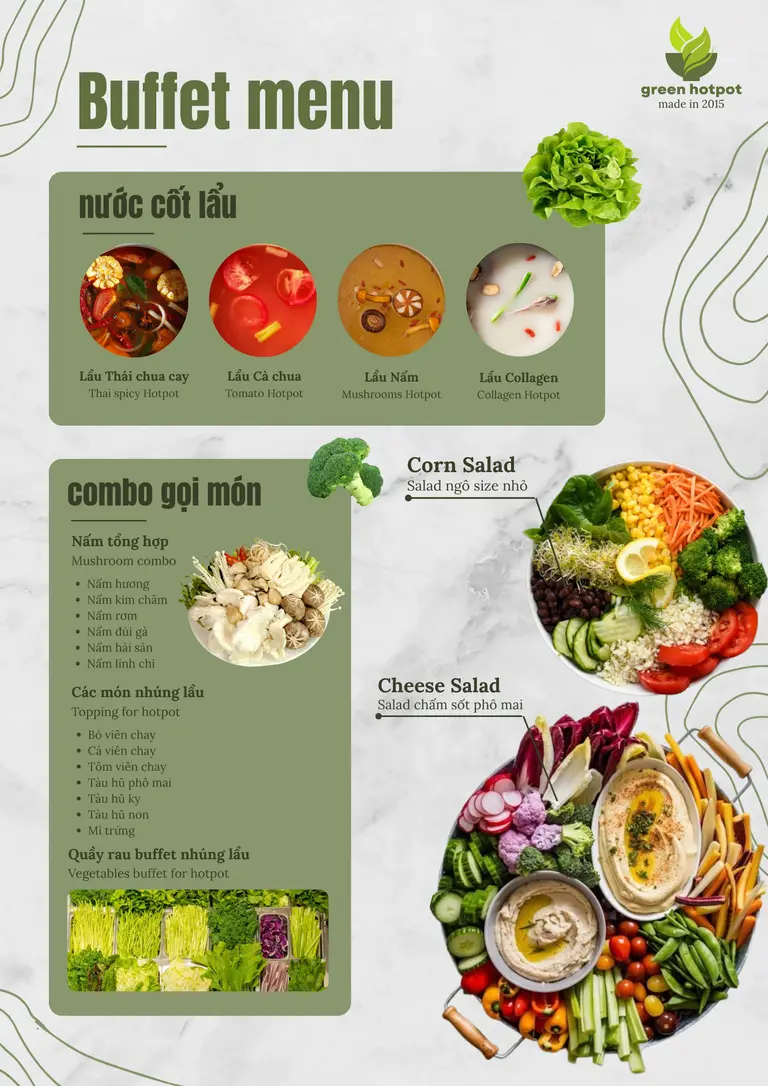
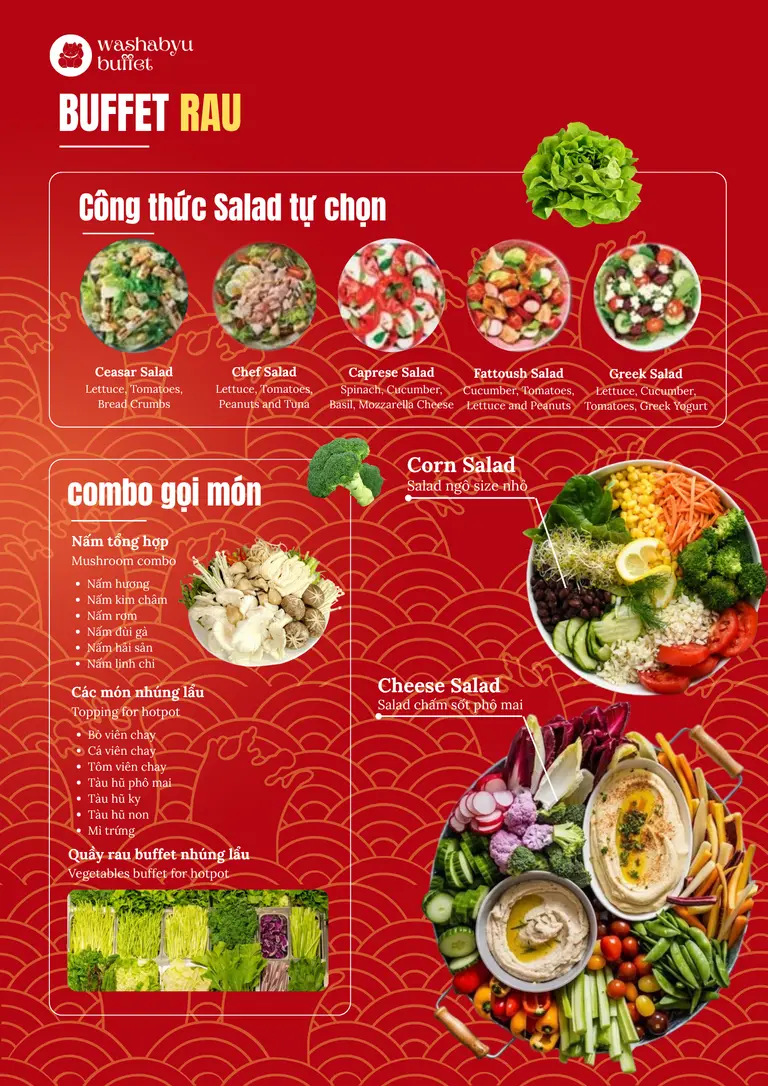
Evidence note: These simulation screens are study stimuli used to communicate menu-order logic.
Experiment One
Healthy-first sequencing reduced intended intake overall, with stronger effects in meat-forward buffet formats.
Sample
n = 257
Vietnamese buffet diners in online simulation.
HOF vs UOF
1427 vs 1573 kcal
Independent-samples t-test comparison.
Overall Delta
-146 kcal
Lower intended calories under HOF.
Interaction Pattern
Hotpot +290
Korean +142
Vegetarian +6 (ns)
UOF minus HOF change by buffet type.
Value Perception
Lower for hotpot and Korean
No significant value drop for vegetarian buffet condition.
The two-way ANOVA supported H1: menu-order effects depended on buffet type. HOF delivered the strongest reduction in hotpot and Korean contexts, while vegetarian menus showed almost no calorie difference between orders.
Key test outputs: t(255) = -3.86, p < .001 for overall HOF vs UOF intake; interaction F(2, 251) = 17.79, p < .001 for buffet-type moderation. H2 was also supported in aggregate (t = -4.12, p < .001), with value penalties concentrated in meat-forward formats and no significant vegetarian difference.
Experiment Two
In tiered pricing, HOF continued reducing intended intake but also shifted demand away from premium bundles.
Sample
n = 147
Hotpot tier-choice simulation participants.
HOF vs UOF
1445 vs 1668 kcal
Significant manipulation check difference.
Premium Share
52.4% → 23.8%
Premium-tier selection dropped under HOF.
Higher-tier Odds
OR = 0.52
48% lower odds of choosing higher tier under HOF.
Mediation
Indirect = -0.339
95% CI [-0.56, -0.15] via perceived value.
H3 was supported: participants exposed to HOF were more likely to choose lower-priced packages. Evidence converged across tests (chi-square = 12.79, p = .002; ordinal model likelihood-ratio chi-square = 14.20, p < .001).
H4 was supported with partial mediation: HOF reduced perceived value (path a = -0.87, p < .001), and perceived value increased odds of higher-tier choice (path b = 0.39, p < .001). The indirect effect was significant (-0.339, 95% CI [-0.56, -0.15]) while the direct path remained weakly significant, indicating both direct and value-mediated pathways.
Synthesis
The intervention works behaviorally but introduces an economic trade-off when premium cues are weakened.
Menu order functions as a soft default. HOF can reduce high-calorie intended choices in indulgent buffet formats without banning options. This confirms choice-architecture mechanisms such as primacy and salience ordering.
However, the same intervention can lower perceived value in contexts where diners treat visible meat abundance as the signal of worth. In tiered pricing, that perception channel can reduce premium conversion and pressure revenue-per-guest.
Operations
Managers can deploy HOF, but should pair it with premium-value signaling to protect upgrade intent.
Research Boundaries
The current findings are decision-intention based and should be validated with operational plate-waste and margin tracking.
Documentation
Key references used in this research framing and interpretation.