Sample
N = 244 valid responses
This study tests Instagram-style virtual influencer content using a 2 x 2 cue experiment with Gen Z respondents in Vietnam. It evaluates central and peripheral cue effects on purchase intention and the moderating role of speciesism.
Virtual influencers are growing in Vietnam, but evidence on how Gen Z responds to different persuasive cues is still limited. This study tests how cue strength in virtual influencer content changes purchase intention, and whether speciesism changes that response.
Sample
N = 244 valid responses
Design
2 x 2 factorial experiment
Platform Task
Simulated Instagram feed post
Product Context
Headphone endorsement scenario
A virtual influencer is a computer-generated social media persona designed to act like a human influencer. It can post content, interact with followers, and endorse products.
Speciesism is a bias that gives higher moral value to humans than non-human entities. In this study, higher speciesism is linked to weaker purchase intention toward virtual influencers.
The central cue is argument quality. Peripheral cues are social attractiveness, physical attractiveness, and attitude homophily. The study tests both cue effects and their interaction.


Study source: Dai Chung Hy et al., Exploring the effect of social media content of virtual influencers on Generation Z purchase intention, EEEU 2024.

EEEU 2024 Infographic
One-page visual summary of the virtual influencer trust study, added in a compact format for quick scan.
Participants were randomly assigned to one of four stimulus blocks in a 2 x 2 design: central cue high or low, and peripheral cue high or low. The survey asked respondents to imagine scrolling Instagram and evaluate a virtual influencer post that promoted headphones.

Strong message quality plus high attractiveness and homophily cues.

Strong message quality with weaker social and visual attraction cues.

Lower argument quality with stronger emotional and appearance cues.

Lower message quality and lower peripheral attractiveness cues.
Manipulation checks confirmed cue separation: peripheral cue t(242) = -5.44, p < .001 and central cue t(242) = -5.05, p < .001.
Regression results show that social attractiveness, physical attractiveness, and attitude homophily were positive predictors of purchase intention. Argument quality was significant but negative in this model (adjusted R2 = 0.30).
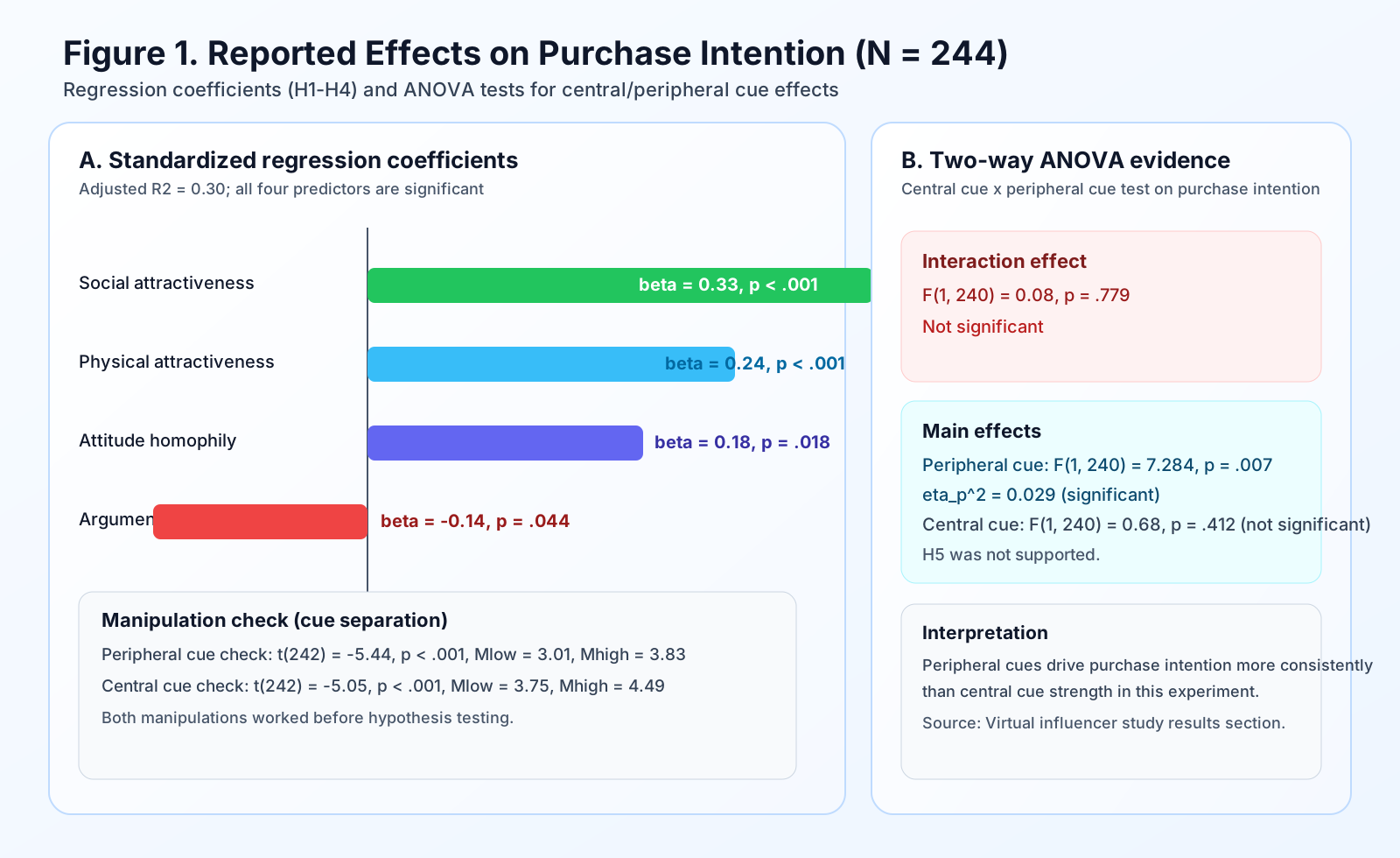
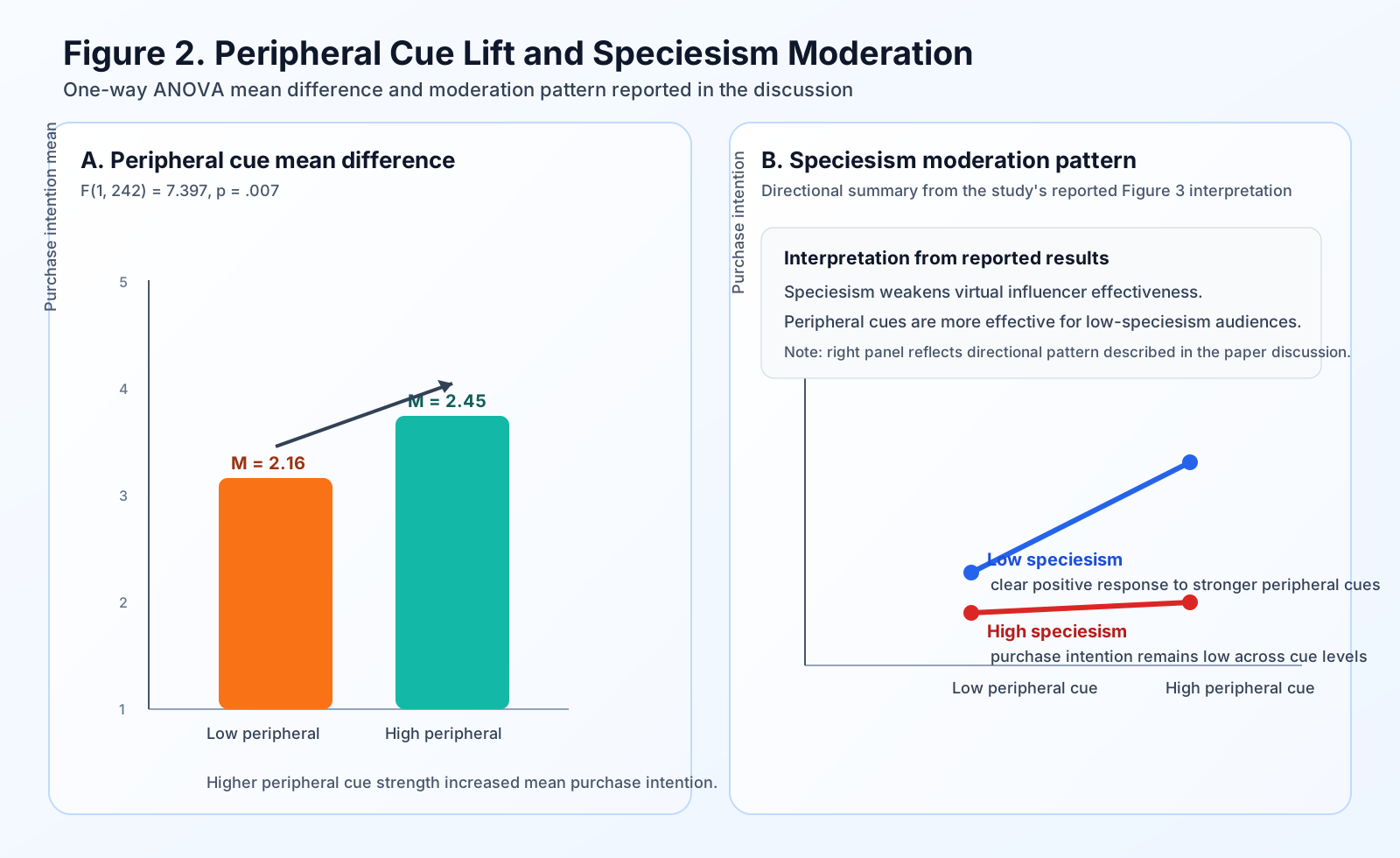
Peripheral cues showed an independent positive effect on purchase intention, F(1, 240) = 7.284, p = .007, while central cue main effect was not significant.
The central by peripheral interaction was not significant, F(1, 240) = 0.08, p = .779, so the combined interaction hypothesis was not supported.
High-speciesism participants remained low in purchase intention even when peripheral cues were stronger, while low-speciesism participants responded more positively.
Design strong peripheral cues to capture attention, but pair them with clear and credible product claims to sustain trust in later campaign stages.
Segment strategy should account for speciesism. High-speciesism segments may require additional human reassurance signals rather than aesthetics alone.
Increase social and physical appeal with culturally relevant styling and homophily cues for Gen Z audiences.
Maintain argument quality in captions and product claims, especially for higher-involvement categories.
For audiences with higher speciesism, combine virtual endorsers with stronger humanized cues and reassurance.
Use clear disclosure that the endorser is virtual, and avoid manipulative framing in youth-focused campaigns.
Supporting Certificate
The file below is a conference certificate and is placed outside the research narrative section.
Virtual Influencer Conference Certificate (PDF)